

Uniform Particle Size, Gel, Strong Base Anion Exchange Resin for Condensate Polishing and Mixed Bed Demineralization Applications for the Power Industry
1.0Capacity, eq/L
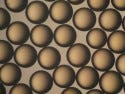
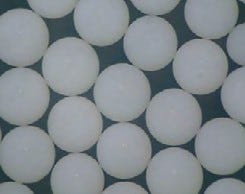
590 +/- 50 umParticle diameter
Specifications
| Water Retention Capacity | 55.0 - 65.0% (OH- form) |
|---|---|
| Whole Uncracked Beads | >= 95% |
| Swelling | Cl- OH- < 25% |
| Particle Diameter | 590 +/- 50 um |
| Uniformity Coefficient | <= 1.10 |
| Temperature Range | 5 - 100 deg C (41 - 212 deg F) |
| pH Range | 0 - 14 |
| Total Exchange Capacity (eq/L) | 1.0 |
| Resin Type | SBA I |
| Ion Form | OH |
| Matrix (Styrenic/Acrylic) | Styrenic |
| Application | Demineralization, Fossil Power Generation, Mixed Bed Condensate Polishing, Nuclear Power Generation |
Values as published by DuPont in Form 45-D01191-en Rev 3, May 2026.
Supplied as
1 CF Bag1000 Liter Supersack200 Liter Drum5 CF Drum
About this technology
Polymer beads carrying fixed functional groups that exchange counter-ions with the water, restored by regeneration rather than consumed like a cartridge. Our ion exchange resin guide covers selection, operating limits and the questions that decide which grade fits a duty.
Common questions
What are the published specifications for AmberLite HPR550 OH?
DuPont publishes the following in Form 45-D01191-en Rev 3, May 2026:
Water Retention Capacity: 55.0 - 65.0% (OH- form); Whole Uncracked Beads: >= 95%; Swelling: Cl- OH- < 25%; Particle Diameter: 590 +/- 50 um; Uniformity Coefficient: <= 1.10; Temperature Range: 5 - 100 deg C (41 - 212 deg F); pH Range: 0 - 14; Total Exchange Capacity (eq/L): 1.0.
What warranty applies?
None. DuPont's Product Data Sheets state "NO WARRANTIES ARE GIVEN" and expressly exclude
merchantability and fitness for a particular purpose, because performance depends on feed water and
operating conditions they do not control. Full statement.
Confirm suitability for your duty before ordering.
Quoted, not listed. We are a B2B supplier and price
this item to your requirement and volume. Email sales@foreverpureplace.com
or call 408-969-2688 with the model and quantity.
AmberLite is a DuPont trademark. Manufacturer's published
values, Form 45-D01191-en Rev 3; subject to change without notice.